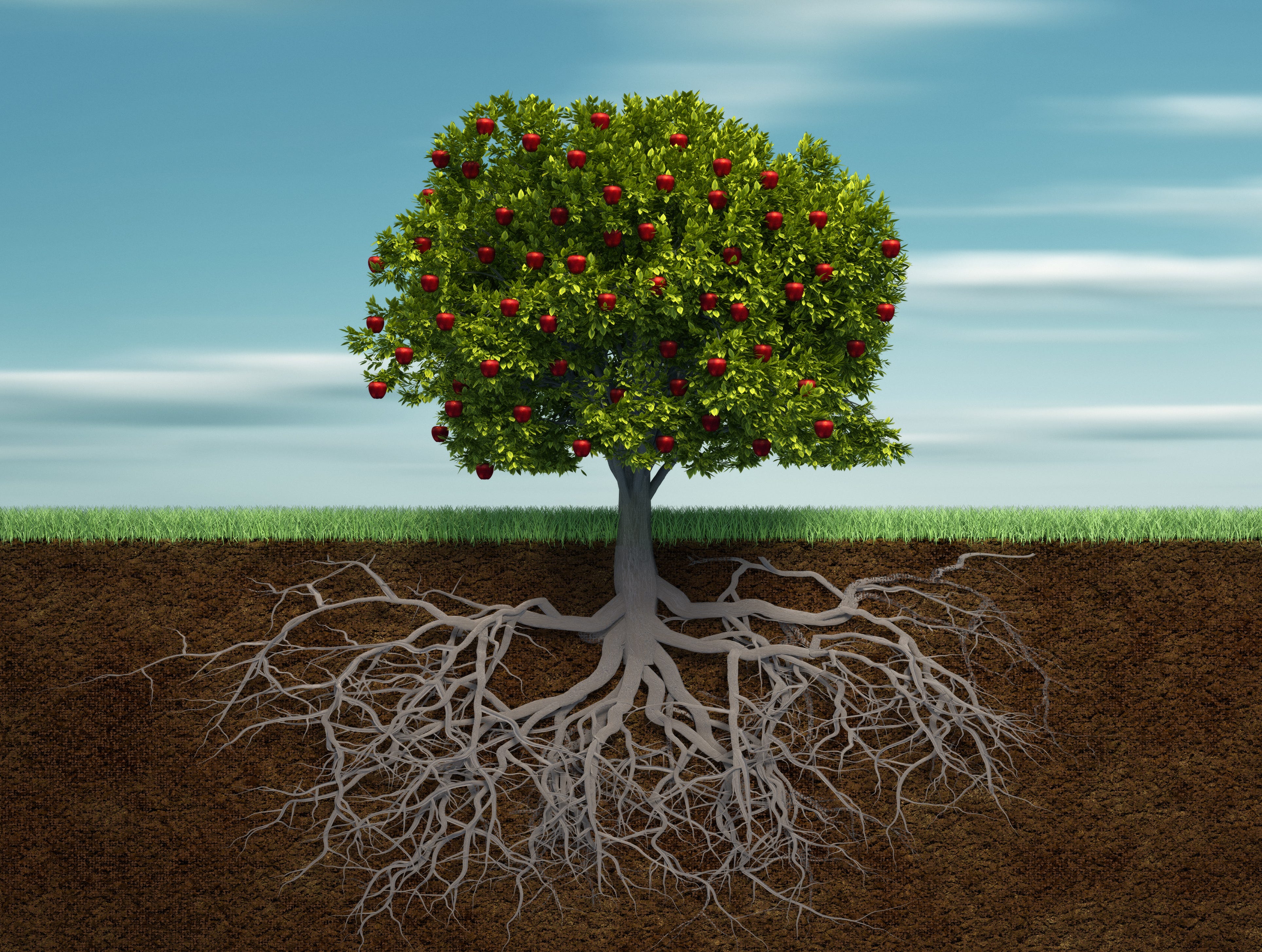
Everyone wants the rewards of alignment. Far fewer people want the roots that make it possible.
Chazal teach that there is not an absolute division between the first two chapters of Tehillim. Perek Aleph and Perek Beis are, in some sense, one unit. The Gemara1 notes that this unit begins with אשרי and ends with אשרי, Perek Aleph begins with אשרי האיש, and Perek Beis concludes with אשרי כל חוסי בו.
The Gemara continues that any mizmor of Tehillim that begins with אשרי and ends with אשרי was especially beloved to Dovid HaMelech. Tosafos2 asks why Chazal state this as a general rule if this is the only place in Tehillim that follows that exact pattern.
The Rashba3 explains that the point is broader. It does not have to be specifically אשרי. Rather, when a section concludes in the same way that it begins, it creates a fuller form of praise. The Rashba adds that this is the basis for the structure of many berachos, whose endings reflect their openings.
The Chasam Sofer4 adds that this pattern is embedded in the Torah itself. The Torah opens with בראשית, which contains the letters of אשרי, and closes with ישראל, which also contains the letters of אשרי. In other words, אשרי frames these opening perakim of Tehillim, as well as Chamisha Chumshei Torah.
The Ben Yehoyada5 explains the deeper meaning of אשרי. The letters of אשרי can be rearranged to spell ראשי, “my head.” The head symbolizes chochma, and life is drawn from chochmah, as the pasuk says, והחכמה תחיה בעליה. The Ben Yehoyada brings from the Arizal that illness comes through a withdrawal of the light of chochmah from a person. Therefore, when Dovid HaMelech opened and closed mizmorim with אשרי, he was drawing down the light of chochmah, which is the source of life.
This is especially fitting for Dovid, who constantly sought life because לית ליה מגרמיה כלום, he had nothing of his own. He therefore cried, in a sense, ראשי ראשי, drawing from the light of chochmah through the word אשרי. The Ben Yehoyada adds that this is why Tehillim is uniquely associated with drawing life and healing to the sick.
He then answers Tosafos’ question and explains that when Chazal said the mizmor “ends with אשרי” does not have to mean the actual end of the mizmor. Rather, the point is that אשרי appears twice within the same section. That repetition itself shows that the section was beloved. He gives examples from Perek 32, where the perek begins אשרי נשוי פשע כסוי חטאה and then continues אשרי אדם לא יחשוב ה׳ לו עון, and from Perek 119, which begins אשרי תמימי דרך and continues אשרי נצרי עדתיו.
This itself suggests that the opening and closing אשרי are a key to understanding the unique structure of these two perakim. It frames these two perakim as a movement of life. Perek Aleph describes the person rooted in Torah, drawing life like a tree planted by streams of water. Perek Beis shows what happens when that life-force is challenged by everything that wants to cut it off from its source.
The Be’er Avraham, Rav Avraham ben HaGra, explains this division in the name of his father, the Vilna Gaon. Dovid begins Tehillim by speaking about alignment on the individual level. He describes the person who does not follow the advice of the wicked, does not stand in the path of sinners, and does not sit among scoffers. He becomes rooted, like a tree planted by streams of water.
Perek Beis then moves from the individual to the global, from micro to macro. Once spiritual alignment enters the world, it does not remain private. It begins to shape a people, and anything that shapes Klal Yisrael will eventually be opposed by the nations around them.
The Meiri makes a similar point from a different angle. He explains that this does not mean that the two chapters are literally one mizmor. In all accurate texts of Tehillim throughout history, he notes, they appear as two separate chapters. Rather, Chazal mean that they form one thematic unit. Perek Beis grows out of Perek Aleph.
In the first mizmor, we explained that the central theme is spiritual alignment. At first glance, that does not seem to fit Perek Beis, which speaks about raging nations, kings, rulers, rebellion, and war.
I would suggest that Dovid is showing us two sides of the same reality.
Perek Aleph describes the side of alignment that can be seen. It is the person who becomes like a tree planted by streams of water. He has fruit and leaves, so his life produces something real.
Perek Beis reveals the side that is not immediately visible. While a tree grows upward, it also grows downward. Before it can stand tall above the ground, it must send roots deep beneath the surface. Those roots are hidden, but they are resilient and are what allow the tree to survive the wind, the storm, and even the axe. A tree may be cut down, but if the roots remain alive, it can grow again.
Dovid understood that alignment is not only a revealed state. It is also hidden rootedness. It exists in the visible world of action, speech, and personality, but it also exists in the inner world of attachment, emotion, and spiritual structure. This can be understood through the language of the sefiros, or in simpler human terms, through the inner life of a person who remains connected even when external forces rise against him.
The Meiri brings a deeper understanding of this mizmor before turning to what he considers the more literal meaning, which follows the events of Dovid’s life. According to this first reading, Perek Beis is not only about nations and kings outside of us, it is about the forces that oppose alignment itself.
Perek Aleph ends by telling us that ודרך רשעים תאבד, the way of the wicked will perish. Perek Beis begins by showing us what wickedness does before it disappears - it gathers together to plot different ways to disrupt the alignment between Hashem and His children.
There are three ways to understand the resistance to this alignment as described in our perek. From an inner perspective, it describes the forces that resist alignment within the person himself. From a historical perspective, it describes the nations who rose against Dovid HaMelech after he became king. Finally, from the future-redemption perspective, it describes Gog u’Magog and the final rebellion against Hashem and His Mashiach.
Let us take it one at a time. The Meiri explains the inner perspective.
למה רגשו גוים ולאמים יהגו־ריק. יתיצבו מלכי־ארץ ורוזנים נוסדו־יחד על־ה׳ ועל־משיחו
The perek begins:
למה רגשו גוים
“Why have the nations gathered?”
The Meiri explains this as follows, since the path of wisdom has already been laid out in Perek Aleph, why do those who chase the successes of this world become so agitated? These are the people called מלכי ארץ, “kings of the earth,” because their entire world is built around earthly success. They pursue power, status, control, and the imagined permanence of this world.
When they attain these imagined successes, they begin to speak על ה׳ ועל משיחו, against Hashem and against His Mashiach. According to the Meiri, משיחו refers to the perfected chacham, the spiritually complete person who is anointed with Hashem’s holy oil.
This person is called anointed because he carries a higher calling. He is not living randomly nor is he simply reacting to life. He has been drawn into the service of Hashem and shaped by it.
The world resists a person who is aligned because the world is built on misalignment. Often, an aligned person does not need to say a word. His very existence exposes the emptiness of a life built only on appetite, ambition, and ego. This emptiness is what the mizmor is referring to - ולאומים יהגו ריק
This is a direct continuation of Perek Aleph. There, Dovid described the rasha as chaff blown by the wind. Here, he describes what that chaff sounds like before the wind carries it away. They may sound powerful and appear successful. But if their entire world is severed from Hashem, then beneath all the noise is emptiness.
There is something about a truly rooted person that unsettles the unrooted.
The nations therefore say:
ננתקה את־מוסרותימו ונשליכה ממנו עבתימו. יושב בשמים ישחק אדני ילעג־למו. אז ידבר אלימו באפו ובחרונו יבהלמו. ואני נסכתי מלכי על־ציון הר־קדשי.
They go so far as to say:
ננתקה את מוסרותימו
“Let us tear off their restraints.”
The Meiri explains that this means casting off the yoke of Malchus Shamayim and the yoke of mitzvos.
In other words, the resistance is to the idea of believing in Hashem as well as the idea that a person’s life is supposed to be tied to something above himself.
The fantasy of freedom is having no yoke. The tragedy is becoming chaff.
This is not exactly an ancient problem. A lot of people today are allergic to authority. They do not want anyone telling them what to do, but more than that, they do not want to belong deeply enough for anyone to have the right to challenge them. They do not want a rav or a rebbe. They prefer a minyan over a shul, because a minyan asks very little of you. You can show up, daven, leave, and remain untouched. Nobody has to know you, guide you, correct you, or ask whether the version of yourself you are protecting is actually the person you are meant to become.
There is something deeply familiar about ננתקה את מוסרותימו. It is the inner voice that says, “I do not want to be tied down. I do not want to answer to anything higher than my own will.”
Dovid HaMelech teaches the opposite. A person with no ties may seem free, but he is loose, movable, and eventually weightless. A tree is not alive despite its roots, but because of them. The roots may seem like they trap the tree, while in truth they hold it in place, feed it, and allow it to survive the wind.
The same is true of Torah and mitzvos. They are not ropes that trap the soul. They are the rooted attachments that keep a person connected to Hashem, to purpose, to truth, and to his own deepest self. Some people see those ties as something to tear away. Dovid sees them as the source of life.
That is why Hashem’s response is laughter:
יושב בשמים ישחק
“He Who sits in Heaven laughs.”
The Meiri explains this as a metaphor. Hashem laughs because their success is not real success and their power is not real power. It is temporary, fragile, and absurd. It is a branch declaring independence from the tree.
In the end:
אז ידבר אלימו באפו ובחרונו יבהלמו
“Then He will speak to them in His anger, and in His fury He will terrify them.”
And then Hashem says about the perfected person:
ואני נסכתי מלכי על־ציון הר־קדשי
“I have installed My king upon Zion, My holy mountain.”
According to this first pshat in the Meiri, this refers to the perfected person, the one aligned with Hashem. He becomes connected to ציון הר קדשי, the place of ultimate spiritual perfection.
This is the opposite of מלכי ארץ. They are kings of earth, while he is connected to the mountain of holiness. They seek imagined power, while he seeks Divine attachment. They want to tear off the restraints, while he understands that those very restraints are what make him real.
The aligned person then says:
אספרה אל חוק ה׳ אמר אלי בני אתה אני היום ילדתיך
“I will tell of the decree: Hashem said to me, ‘You are My son; today I have begotten you.’”
The Meiri explains that this refers to the perfected person’s closeness to Hashem, in the manner of the pasuk, הוא יקראני אבי אתה, “He will call Me: You are my Father”6. The language of birth is a metaphor for spiritual formation. A person who becomes aligned with Hashem begins to reflect Him according to his ability and is, in a sense, born into a new level of existence.
This is similar to the way the Tomer Devorah understands לשארית נחלתו. Klal Yisrael is not merely attached to Hashem from the outside; we are bound to Him with the closeness of she’er basar, like one’s own flesh.
This is the opposite of the earlier rebellion. The nations wanted to sever the connection with Hashem in order to become free. The aligned person discovers that real freedom comes from being formed by Hashem. He is not less himself because he is connected; he becomes more himself because he is connected.
From there, Hashem says:
שאל ממני ואתנה גוים נחלתך ואחזתך אפסי־ארץ. תרעם בשבט ברזל ככלי יוצר תנפצם. ועתה מלכים השכילו הוסרו שפטי ארץ. עבדו את־ה׳ ביראה וגילו ברעדה. נשקו־בר פן־יאנף ותאבדו דרך כי־יבער כמעט אפו אשרי כל־חוסי בו {פ}
The Meiri explains שאל ממני, “Ask of Me,” to mean that the wise person, the truly aligned person, is able to rule over others. This does not only mean formal power, rather it means that inner alignment creates influence. A person who governs himself properly becomes capable of guiding others. Real power is not the ability to throw off restraint. Real power is the ability to be tied to the right thing so deeply that nothing lower can dominate you.
The perek then tells us that the success of those who resist Hashem will come to an end:
תרעם בשבט ברזל
“You shall break them with an iron rod.”
But even then, the perek does not end with destruction. It turns back to instruction:
ועתה מלכים השכילו הוסרו שפטי ארץ
“And now, kings, understand; be disciplined, judges of the earth.”
Even the kings of earth are told that they can still understand. They can still learn. They can still redirect themselves. As it says:
עבדו את ה׳ ביראה וגילו ברעדה
“Serve Hashem with awe, and rejoice with trembling.”
The Meiri explains this as a call to stand before Hashem with humility. Humility means recognizing that all success comes from Him and can be taken by Him.
This may also be why the pasuk holds together two emotions that seem to pull in opposite directions: עבדו את ה׳ ביראה וגילו ברעדה. Avodas Hashem is not flat. It is not joy without seriousness, and it is not fear without hope. Real closeness to Hashem means learning how to hold both at once. A person can rejoice, but that joy must know how fragile success is. He can tremble, but that trembling must still know that Hashem is near.
Joy without humility becomes ego, and ego eventually becomes rebellion.
Finally:
נשקו בר פן יאנף ותאבדו דרך כי יבער כמעט אפו אשרי כל חוסי בו
“Arm yourselves with purity, lest He become angry and you lose the way; for His anger may soon burn. Fortunate are all who take refuge in Him.”
The Meiri explains נשקו בר as “arm yourselves with purity.” The weapon against rebellion is not more noise. It is purity, innocence, and cleanliness of soul.
A person loses his way when he tears off the bonds that were meant to guide him. Once he removes the yoke of Torah and mitzvos and severs his connection to Hashem, he may still be moving, but he no longer knows where he is going.
When the rootless begin to fall, the task is not to fall with them. The task is to remain aligned and deepen the roots. The more those roots push through the hard and stubborn ground of the inner world, the more alive the tree becomes above ground. The hidden work beneath the surface is what allows the visible life above ground to bear fruit.
The perek ends with an eternal message of return: no matter how disconnected a person may feel, he can always come back and take refuge in Him.
אשרי כל חוסי בו
This is the inner perspective of Perek Beis. The world outside us rages because something inside us also resists being rooted. The solution to both the micro and the macro is deeper attachment amidst the temptation to escape.
Note: This project is developing as I continue learning, and I may update this post as new sources or clearer understandings emerge. In the next post, I will explore the historical understanding of this mizmor, centered on Dovid HaMelech and the Plishtim. In the third post, I will explore the future perspective of Gog u’Magog. Please share any feedback, questions, corrections, or comments in the comments section below.
Thank you for learning along with me.
Berachos 9b–10a
Berachos 10a, s.v. כל פרשה
ibid.
Chasam Sofer al HaTorah, Vezos HaBerachah 32
Berachos 10a
Tehillim 89:27


